The Dor Brothers became popular with AI-generated music videos of Kamala Harris flipping the bird and President Donald Trump puffing a cigar over a burning American flag.
Now, they find themselves in one of the hottest sectors of the US economy, bringing in corporate clients and attracting investor interest as a new kind of AI content studio.
The German company charges roughly €200,000 (about $235,000) for its larger advertising spots, said CEO Yonatan Dor — part of a rapid turn by brands looking to save money on production, or simply feeling the pressure to at least dabble in the hot technology. (Yonatan’s brother is no longer making videos with the company.)
The AI revolution was born, in no small part, out of the advertising industry. Researchers at Google, whose revenue primarily comes from advertising, shepherded the breakthrough that birthed today’s AI industry. And many of the other key players, including Meta, are fundamentally ad companies. So it’s no surprise that marketers have adopted AI, using it for everything from brainstorming to media buying to physical ad production. An April report by advertising automation platform Basis Technologies found that 76% of global ad agencies plan to boost AI spending this year, with 70% already using it multiple times a week.
“The beauty of AI is that if I generate a video and something happens that I would have never expected, I can use that,” Dor told Semafor, adding that some marketers aren’t ready for the spontaneity that AI creators provide. “They want all the storyboarding, and it’s like [they] have to ruin everything that’s good about AI by forcing an older way of making things.”
Consumer brands like Coca-Cola and Toys “R” Us have published AI ads, and Meta is preparing AI tools to let brands create personalized campaigns by next year. Meta and Google, which offer both AI-generation tools and ad distribution platforms, are well-positioned to create a one-stop-shop for marketers.
“Marketers Are Serious and Excited About Adopting AI—But Also Stressed,” read a representative headline in AdWeek. Making AI ads typically requires fewer people and different skills — ones honed by AI-native creators like Dor, who spend their days working inside video generation tools like Google’s Veo 3, Kling AI, and Midjourney.
Much of the promise of the technology is how it will level the playing field. AI production could help small- and mid-sized companies create production-grade campaigns without the budgets of their larger competitors.
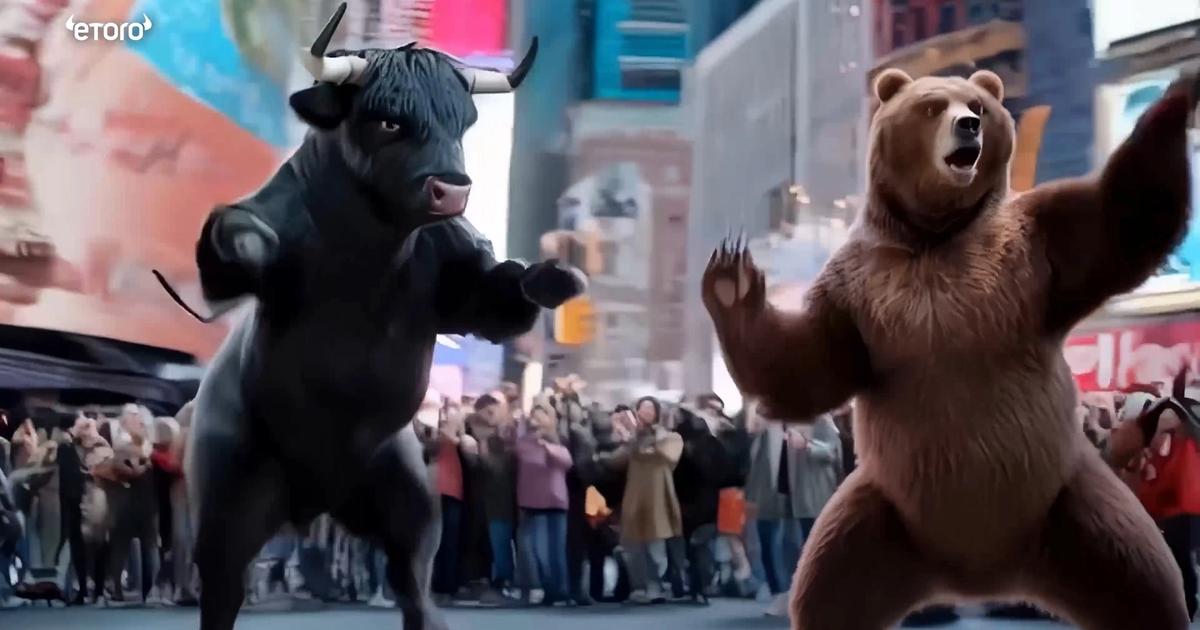
One of The Dor Brothers’ most viewed ads, which aired in Times Square, depicted a bull and bear dancing on Wall Street for Israeli trading app eToro. (The company’s head of creative marketing, Shay Chikotay, said he wasn’t concerned about the studio’s other content.) eToro has also worked with Los Angeles-based AI studio Secret Level and creator László Gaál to make other AI-generated ads, in addition to developing some in-house.
“The agility and production costs of working with AI are significantly lower, which means we create better [ads],” Chikotay told Semafor. AI is also allowing the company to create more commercials in different languages, with content specific to individual locations, which he said is a “much more human experience.”
“It’s the golden era of production and advertising,” he said.